Source Microcurrent Infrared Facial Massager for Skin Tightening
Explore 30 microcurrent infrared facial massager options for face lift, skin tightening, and rejuvenation. Compare models like M1065 and SAW-CAV001, featuring USB charging and CE certification for reliable sourcing; compare the available evidence and request quotations based on your requirements.
Key considerations
Products List
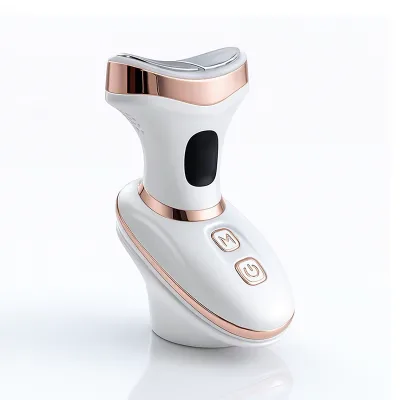
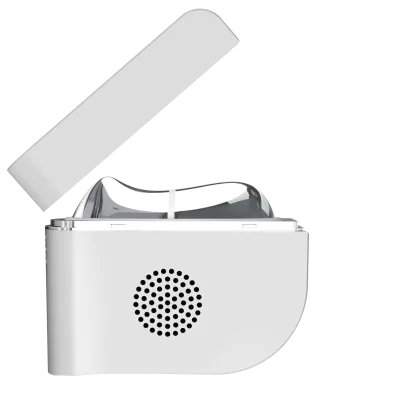
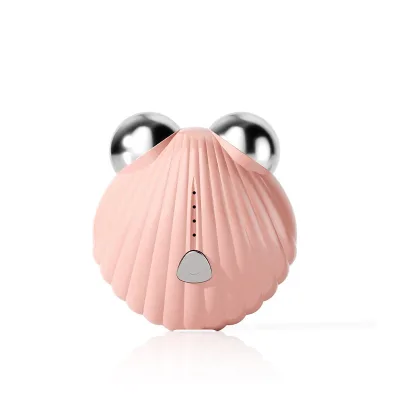

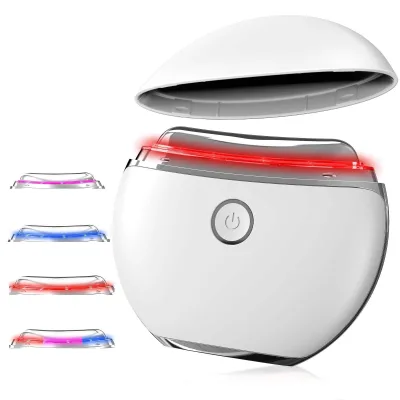
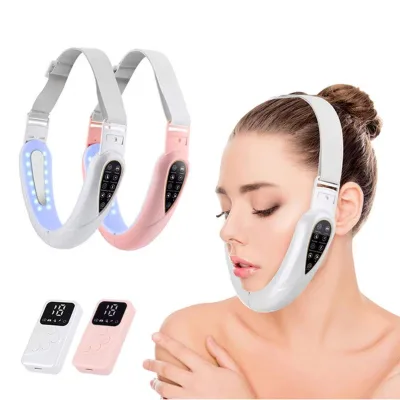
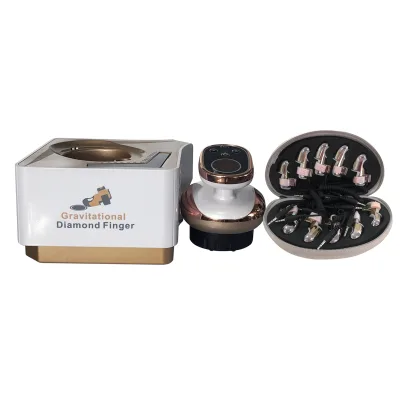


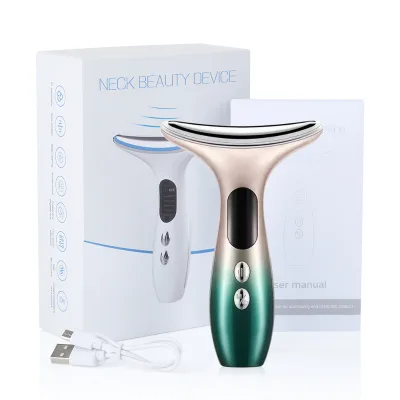


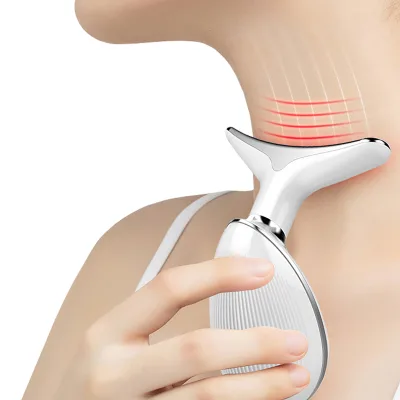


Comprehensive Sourcing Guide
Microcurrent Infrared Facial Massager Sourcing Guide
Buyers must first distinguish between devices offering microcurrent therapy and those combining infrared physiotherapy, as the supplied data indicates distinct functional profiles across listings. Some units explicitly list microcurrent as their operation system, while others prioritize infrared functions or RF and EMS technologies, requiring precise specification checks to match clinical or retail expectations.
Procurement teams should verify the target area and application method, noting that observed listings consistently specify the face as the primary treatment zone. The distinction between handheld massagers and specialized facial units is critical, as the physical form factor influences both user ergonomics and the intended depth of tissue penetration for the selected technology.
Product Scope and Observed Listing Signals
The market presents a wide variance in physical attributes, with observed colors ranging from standard white and black to vibrant pinks, greens, and purples. Buyers should expect to find units constructed from ABS plastic, often combined with stainless steel components, which dictates the durability and tactile feel of the device during repeated daily use.
Listing signals reveal significant diversity in power configurations, with some models utilizing USB charging capabilities while others specify broader voltage ranges of 100-240V. The presence of multiple plug types, including AU, US, UK, EU, JP, and CN, suggests that successful sourcing requires careful alignment of the power adapter with the destination market's electrical standards.
Technical Specifications to Verify
Verification of the battery capacity is essential, as observed data points to an 800 mAh unit, which directly impacts the operational duration between charges. Buyers must confirm whether the device supports continuous use for the required treatment time or if the capacity necessitates frequent recharging during a single session.
The model numbers observed, such as M1065, M1066, and DYM014, indicate that specifications like product size and weight vary significantly between batches. A unit measuring 957633mm and weighing 164g offers a different user experience compared to other configurations, so buyers must validate the exact dimensions and net weight against their packaging and shipping constraints.
Compliance and Safety Documentation
Certification status is a primary verification point, with observed listings frequently displaying CE, FCC, and ROHS marks. Buyers must ensure that the specific unit they intend to purchase carries these certifications for the target export market, as the absence of valid documentation can lead to customs delays or regulatory penalties.
Safety compliance extends beyond basic electrical standards to include the specific technology employed, such as RF frequency or EMS operation. Procurement teams should request test reports that validate the safety of the microcurrent and infrared outputs, ensuring they do not exceed safe exposure limits for facial skin and underlying tissues.
Cost Drivers and Commercial Terms
Pricing structures in this category show a broad range, with observed values spanning from $1.10 to over $4500, driven by the complexity of the internal circuitry and the quality of materials used. Buyers should analyze whether the lower price points correspond to basic ABS construction or if higher costs reflect the inclusion of advanced features like timing control and multiple gear settings.
Minimum Order Quantities (MOQ) vary widely, with observed ranges extending from single items up to 2000 units, influencing the initial capital outlay for new entrants. Suppliers offering customization services may impose higher MOQs or unit costs, so buyers must balance the need for branding against the financial constraints of their initial inventory investment.
Supplier Qualification and Quality Control
Supplier qualification should focus on the consistency of their manufacturing output, particularly regarding the After-sale Service capabilities like online technical support. Buyers must assess whether the supplier can provide reliable troubleshooting for devices that may require firmware updates or component replacements after the initial warranty period.
Quality control protocols must address the variability in color and finish, as observed listings show options like pink, white, green, and blue. It is critical to verify that the supplier maintains strict color matching standards and that the round contact type remains consistent across batches to ensure uniform treatment results for end-users.
Long-Term Procurement Checks
Sustainability of the supply chain requires monitoring the Supply Ability, which is observed at 10,000 units per month for some vendors. Buyers should confirm that this capacity can scale during peak demand periods without compromising the quality of the ABS and stainless steel components or the integrity of the USB charging systems.
Long-term viability also depends on the availability of replacement parts and the clarity of the warranty terms, typically observed as a one-year period. Procurement strategies should include a review of the packaging details to ensure they meet standard exported box requirements, protecting the device during transit and maintaining the brand presentation upon arrival.
FAQs
What technology does the microcurrent infrared facial massager use?
The device utilizes microcurrent technology for facial treatment. It also incorporates infrared physiotherapy features to enhance skin care results. This combination supports face lifting and skin tightening. The operation system relies on microcurrent pulses. These technologies work together to provide skin rejuvenation and anti-wrinkle benefits for users seeking non-invasive facial care solutions.
Can the microcurrent infrared facial massager be used on the face?
Yes, the device is specifically designed for the face. It targets facial areas for lifting and tightening. The product size is compact at 95 by 76 by 33 mm. This allows for easy handling during facial treatments. The handheld design ensures precise application on various facial contours for effective skin rejuvenation and care routines.
What certifications does the microcurrent infrared facial massager have?
The product holds CE, FCC, and ROHS certifications. These standards ensure compliance with safety and environmental regulations. The certifications apply to the electronic components and materials used. This makes the device suitable for international markets. Buyers can verify these credentials to ensure the product meets required regulatory standards for sale and use.
How is the microcurrent infrared facial massager powered?
The device is powered by a rechargeable USB battery. It features an 800 mAh battery capacity for portable use. The charging voltage supports 100 to 240 volts globally. This allows for convenient charging via standard USB ports. The electric power supply method ensures reliable operation without the need for disposable batteries or constant wall connections.
What materials are used in the microcurrent infrared facial massager?
The device is constructed from ABS plastic and stainless steel. These materials provide durability and a sleek appearance. The ABS body ensures lightweight handling for users. Stainless steel components may be used for contact points. This combination offers a balance of strength, safety, and aesthetic appeal for personal care devices used in daily routines.
What is the warranty period for the microcurrent infrared facial massager?
The product comes with a one-year warranty. This coverage protects against manufacturing defects and issues. Buyers can access online technical support for assistance. The warranty period provides peace of mind for purchasers. It ensures that any functional problems arising within the first year are addressed by the supplier or manufacturer.